CANVAS 2026
Micah and Maggie were both in Portland for the CANVAS 2026 conference.1 Many of you participated in the International Turfgrass Research Conference (ITRC) in Japan in 2025; some of you may be planning a trip to Guelph for the next ITRC in 2029.
CANVAS is something like the ITRC, but bigger, with a lot more soil and crop and environmental disciplines included. Think 4,000+ delegates, and a small trade show floor, and a lot of interesting research.
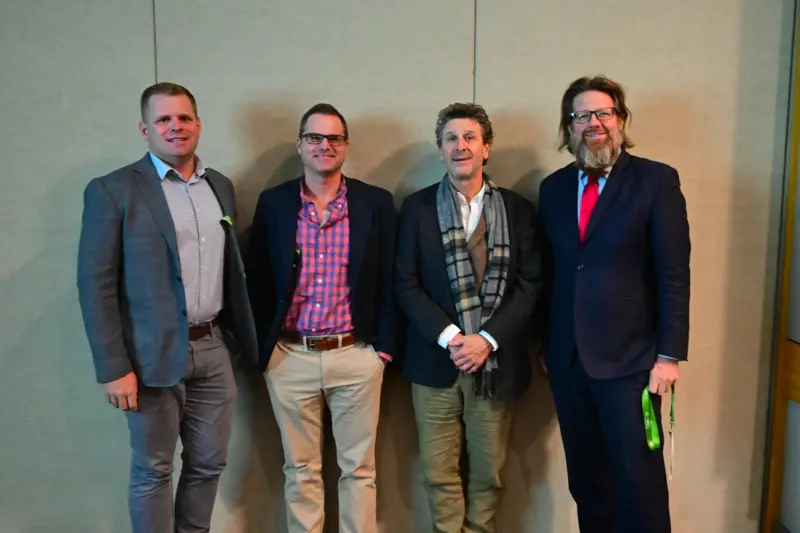
The last time I attended this conference was in 2005, when I gave a talk about Potassium Content of Turfgrass Leaves Expressed on a Tissue Water Basis. We talked about K again in 2026.
Peter Bier gave an excellent talk about Estimating Potassium Supplying Potential of Sands to Creeping Bentgrass with Sodium Tetraphenylborate. It turns out that creeping bentgrass—and we expect this may be the case for many other turfgrass species as well—can utilize K that is released from K-bearing minerals in sand rootzones. That pool of K isn’t measured in an ammonium acetate or in a Mehlich 3 soil test for K, so test results might appear to be low for K. However, when the sand contains even a small quantity of the right types of minerals, the grass can get all the K it needs despite the conventional soil test appearing to be low.
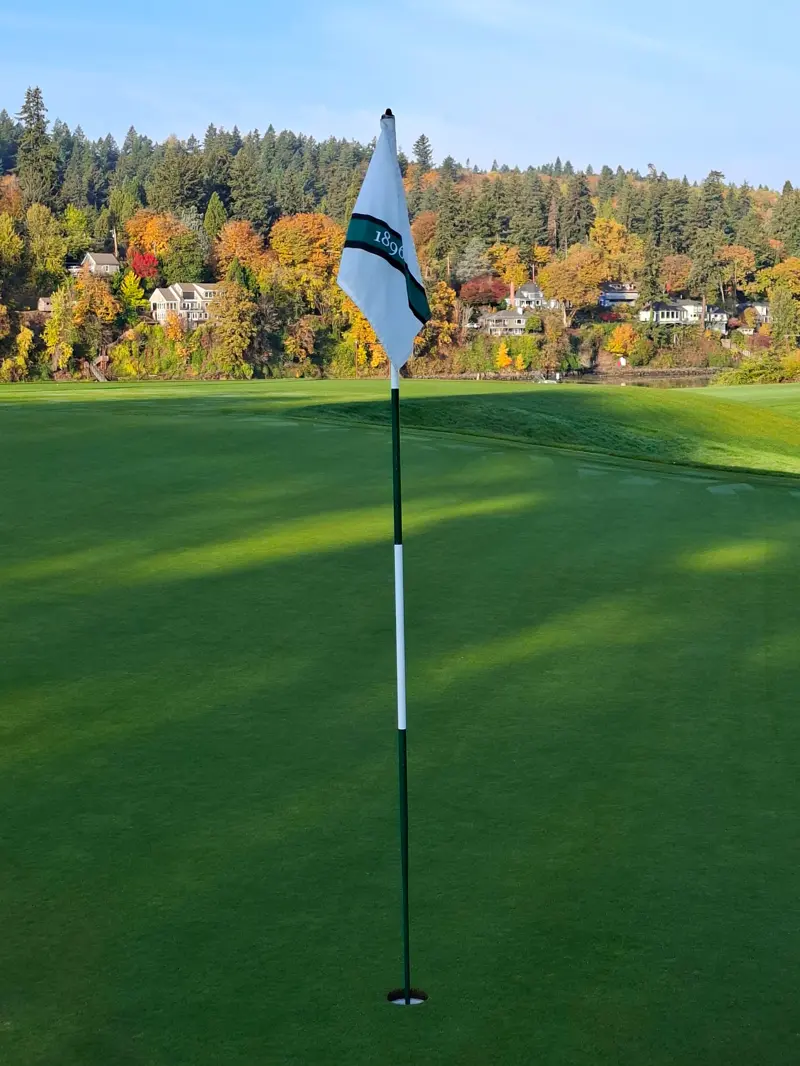
The C5 Turfgrass Science Division program included a turfgrass tour to Waverley Country Club, the Nike headquarters, and the Portland Japanese Gardens. Then came three days of scientific presentations, divided between fast-paced 15 minute oral presentations and end-of-day poster sessions.
I highly recommend this conference if you want to learn about a lot of cutting edge research. You can see from the program that there are a wide range of topics: CRISPR-edited zoysiagrass, FIFA World Cup pitches, potassium isotopes in topdressing sand, dog urine damage on lawns, nematode surveys, yellow ring patch … you get the idea.
See dates and locations for upcoming CANVAS meetings here.